A FIVE-YEAR RETROSPECTIVE AUDIT OF CYTOLOGY SPECIMENS AT A TERTIARY CENTRE IN SOUTHEASTERN NIGERIA: PATTERNS, DIAGNOSTIC OUTCOMES, AND CLINICAL IMPLICATIONS
Formerly Published in Vol 14 No. 6 Jan. – Jun., 2026
Keywords:
Fluid cytology, FNAC, diagnostic patterns, malignancy detection, Nigeria, Southeast Nigeria, retrospective studyAbstract
Background: Cytopathology, encompassing body fluid cytology and fine needle aspiration cytology (FNAC) of solid tissues, plays a crucial role in the diagnosis and management of malignant effusions, solid mass lesions, infections, and inflammatory conditions, particularly in resource-limited settings. Understanding the patterns and diagnostic outcomes of cytological examinations is essential for improving clinical practice and patient outcomes.
Objective: This retrospective study aimed to analyze the distribution, diagnostic patterns, and clinical significance of cytology specimens comprising body fluid cytology and fine needle aspiration cytology (FNAC) of solid tissues examined at the Federal Medical Centre, Umuahia over a five-year period (2020–2024).
Methods: A retrospective analysis of 259 cytology cases (body fluid specimens and FNAC of solid tissues) was conducted. Data extracted included patient demographics (age, sex), specimen types, clinical presentations, and cytological diagnoses. Specimens were categorized according to standardized cytology reporting systems. Statistical analysis included descriptive statistics, chi-square tests, and independent t-tests.
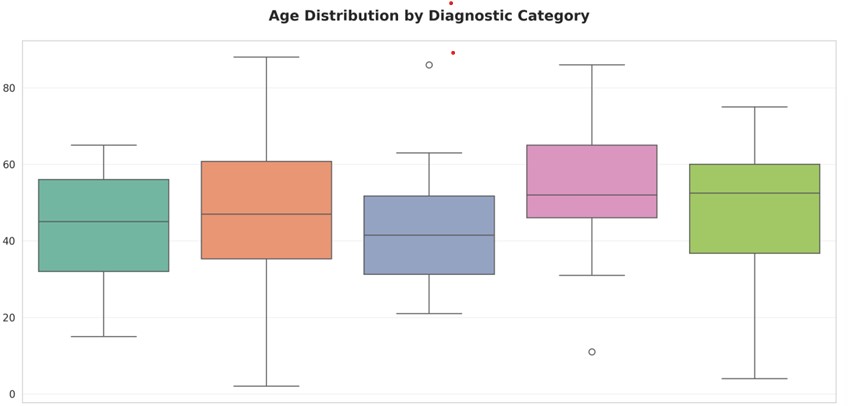
Results: The study analyzed 259 cases with a mean age of 46.31 ± 18.24 years (range: 2-95 years). Among the 241 cases with documented sex, female patients predominated (68.5%, n=165) with a female-to-male ratio of 2.17:1; sex was not recorded in 18 cases (6.9%). Pleural Pioneer Medical Journal 1 Vol 14. No 6. Jan – Jun. 2026 Jegede et al., Cytology patterns and outcomes fluid samples constituted the largest proportion (32.4%, n=84), followed by fine needle aspiration cytology of solid tissues (23.9%, n=62) and ascitic/peritoneal fluids (17.4%, n=45). The majority of specimens were diagnosed as benign (C2, 57.9%), while the combined malignancy rate (C4+C5) was 16.6% (n=43; 95% CI: 12.1%–21.8%). Ascitic/peritoneal fluids showed the highest malignancy rate (24.4%), followed by FNAC specimens (21.0%) and pleural fluids (13.1%). No significant association was found between sex and malignancy (χ²=0.804, p=0.370) or between age and malignant diagnosis (t=1.067, p=0.287).
Conclusion: Cytopathology, encompassing both body fluid cytology and FNAC, remains a valuable and cost-effective diagnostic tool in clinical practice. The relatively high malignancy detection rate in ascitic and FNAC specimens underscores the importance of cytological examination in patient management. These findings provide baseline data for quality improvement initiatives and contribute to understanding cytopathology practice patterns in Nigerian tertiary healthcare settings.
Downloads
References
1. DeMay RM. The Art and Science of Cytopathology. 2nd ed. Chicago: ASCP Press; 2012.
2. Koss LG, Melamed MR. Koss' Diagnostic Cytology and Its Histopathologic Bases. 5th ed. Philadelphia: Lippincott Williams & Wilkins; 2006.
3. Cibas ES, Ducatman BS. Cytology: Diagnostic Principles and Clinical Correlates. 5th ed. Philadelphia: Elsevier; 2020.
4. Nayar R, Wilbur DC. The Bethesda System for Reporting Cervical Cytology: Definitions, Criteria, and Explanatory Notes. 3rd ed. New York: Springer; 2015.
5. Ali SZ, Cibas ES. The Bethesda System for Reporting Thyroid Cytopathology. New York: Springer; 2010.
6. Gupta N, Rajwanshi A, Srinivasan R. Malignant effusions: an analysis of 1000 cases. Indian J Pathol Microbiol. 2007;50(4):700-702.
7. Light RW. Pleural effusions. Med Clin North Am. 2011;95(6):1055-1070.
8. Orell SR. Diagnostic difficulties in fine needle aspiration cytology. Cytopathology. 2017;28(5):363-373.
9. Adeyinka TS, Komolafe AO, Adeyemi O, Oluwasola AO. Evaluation of ascitic fluid cytology in a tertiary hospital in South-Western Nigeria: a 7-year retrospective study. Med J Dr DY Patil Vidyapeeth. 2024;17(6):1234-1240.
10. Eze JC, Ezemba N, Ngene IF. Pleural effusion: aetiology, clinical presentation and mortality outcome in a tertiary health institution in Eastern Nigeria – a five-year retrospective study. Open J Respir Dis. 2015;5(2):41-50.
11. Mandong BM, Ngbea JA, Tanko MN, Echejoh GO. Pattern of histopathological diagnosis in a Nigerian tertiary hospital. Niger J Med. 2011;20(2):204-209.
12. Atanda AT, Atanda OA. Surgical pathology specimens in a Nigerian teaching hospital: an audit. Ann Ib Postgrad Med. 2012;10(2):24-29.
13. Nnaji CA, Moodley J. Impact of the COVID-19 pandemic on cancer diagnosis, treatment and research in African health systems: a review of current evidence and contextual perspectives. Ecancermedicalscience. 2021;15:1170.
14. Tagar E, Kpolugbo J, Tagar AG, Ozah E, Ehiagwina LA, Enegbuya O. Fine needle aspiration in the evaluation of patients with suspected breast cancer in a suburban Nigerian teaching hospital: a five-year review. J Breast Cancer Res. 2024;4(1):11-16.
15. Oduola-Akande OA, Oduola TA, Adesola AO, Junaid TA. Diagnostic accuracy of fine needle aspiration cytology of palpable breast masses in Benin City, Nigeria. West Afr J Med. 2010;29(5):300-304.
16. Adeyinka TS, Okon EE, Okonkwo KC. Fine needle aspiration cytology of breast lumps with histopathologic correlation in Owo, Ondo State, Nigeria: a five-year review. Ann Afr Med. 2017;16(3):103-108. 26 Pioneer Medical Journal Vol 14. No 6. Jan – Jun. 2026 Jegede et al., Cytology patterns and outcomes
17. Chandra A, Cramer H, Kurtycz DFI, Vielh P. The International System for Reporting Serous Fluid Cytopathology. Acta Cytol. 2019;63(3):188-190.
18. Porcel JM, Gasol A, Bielsa S, Civit C, Light RW, Salud A. Clinical features and survival of lung cancer patients with pleural effusions. Respirology. 2015;20(4):654-659.
19. Renshaw AA, Dean BR, Antman KH, Sugarbaker DJ, Cibas ES. The role of cytologic evaluation of pleural fluid in the diagnosis of malignant mesothelioma. Chest. 1997;111(1):106-109.
20. Tolani MA, Fidelis L, Oyelowo N, et al. Impact of the COVID-19 pandemic on surgical practice, training, and research in Nigeria. Pan Afr Med J. 2021;39:59.
21. Sung H, Ferlay J, Siegel RL, et al. Global cancer statistics 2020: GLOBOCAN estimates of incidence and mortality worldwide for 36 cancers in 185 countries. CA Cancer J Clin. 2021;71(3):209-249. 22. Nayar R, Wilbur DC. The Bethesda System for Reporting Cervical Cytology: A Historical Perspective. Acta Cytol. 2017;61(4-5):359-372.